Desk Notes
Your Best Workday Starts the Night Before: Orion vs Eight Sleep, by the Numbers
Bed temperature is one of the most controllable inputs to deep sleep. We compared the two leading cooling systems on performance, ownership, and total cost.

Choose Orion if you want strong cooling, predictable ownership costs, and a system set up for your body from the first night.
Choose Eight Sleep if you want the most mature tracking software and a broader ecosystem of add-ons.
Why Sleep Temperature Is a Performance Variable
Most productivity advice focuses on what happens between 9 and 5: the desk setup, the calendar, the focus system. Far less attention goes to the eight hours that determine how much of your brain is available for any of it.

Deep sleep and REM sleep do different jobs. Deep sleep supports physical recovery and helps consolidate what you learned the day before, while REM sleep plays a central role in emotional regulation and creative problem solving. Research has consistently linked short or fragmented sleep to slower reaction times, weaker working memory, and poorer judgment the next day. For anyone whose job depends on sustained focus, that is a direct cost.
Temperature is one of the few levers that reliably affects sleep quality. The body’s core temperature falls as part of sleep onset, and cooling facilitates deep sleep. A mattress that traps heat works against that process, which is why many people who “slept eight hours” still wake up foggy. Unlike stress or a newborn, bed temperature is something you can actually control.
That is the premise behind water-based bed cooling systems. A thin cover fits over your existing mattress and circulates temperature-controlled water beneath you all night. The two leading options are Eight Sleep, which built the category, and Orion Sleep, which launched in late 2025.
How We Evaluated Them
We compared both systems across six criteria that matter for long-term use, drawing on published specifications, pricing and warranty terms, and a review of thousands of owner posts from the past 12 months.
- Cooling performance: temperature range and how owners describe real-world cooling
- Ownership and reliability: subscription requirements, warranty terms, maintenance, and known issues
- Total cost: hardware plus everything required to keep the system working and under warranty
- Personalization: how quickly each system gets to the right temperature for you
- Software and data: app quality, tracking, and integrations
- Noise and footprint: what it’s like to live with in a bedroom
Specifications
| Orion Sleep System | Eight Sleep Pod 5 | |
|---|---|---|
| Price (Queen) | $2,195 | From $2,999 |
| Required subscription | None when paid in full (financing includes 2 years of the optional plan) | Autopilot, first 12 months |
| Optional subscription | $250/yr (tracking and AI) | $199 to $399/yr |
| Temperature range | 50°F to 113°F | 55°F to 110°F |
| Dual-zone | Yes | Yes |
| Warranty | 2 years, independent of subscription | 2 years (Standard) or 5 years (Enhanced/Elite); requires active membership |
| Setup personalization | Optional one-night sleep test ($25 add-on) pre-programs the system | Autopilot adjusts over time |
| Sizes | Queen, King, Cal King | Full, Queen, King, Cal King |
| Trial | 30 nights | 30 nights |
1. Cooling Performance
Edge: Orion
On paper, Orion covers a wider range at both ends: 50°F to 113°F, versus Eight Sleep’s 55°F to 110°F. The five degrees at the cold end matter most to hot sleepers and to anyone living in a warm climate. In owner discussions, people who have used both systems frequently report that Orion runs colder in practice.
One caveat applies to both. These systems move heat out of the bed and into the room, so in a hot bedroom without air conditioning, neither will perform at its best.
2. Ownership and Reliability
Edge: Orion
This is where the two systems differ most. When you pay in full, Orion’s heating, cooling, schedules, and dual-zone control all work without a subscription, and its two-year warranty applies whether or not you subscribe. Orion’s financing plans include two years of its optional plan.
Eight Sleep requires its Autopilot membership for the first year. Its warranty, both the standard and extended versions, requires an active membership during the coverage period, and the maintenance inserts it recommends replacing every six to eight months are shipped to active members and are also sold separately for $40. For a system meant to run every night for years, that means the cost of keeping it covered never really ends.
On reliability, Bloomberg reported in 2023 on a leak issue affecting some Eight Sleep customers, which the company said it addressed. Orion is too new to have a long-term reliability record, which is a fair consideration for anyone planning to own a system for five years or more.
Both systems depend on an internet connection to change settings. After an October 2025 cloud outage left some Eight Sleep beds uncontrollable, Eight Sleep introduced a Backup Mode. Orion holds its last temperature if the connection drops, but you’ll need Wi‑Fi to make changes.
3. Total Cost of Ownership
Edge: Orion
Both systems include a two-year warranty. The difference is what it costs to keep that warranty active.
| Orion | Eight Sleep | |
|---|---|---|
| Hardware | $2,195 | $2,999 |
| Cost to keep the warranty active | $0 | $199/yr Standard membership × 2 = $398 |
| Total | $2,195 | About $3,397 |
| Cost per night over two years | About $3.01 | About $4.65 |
For buyers who want tracking and automatic adjustments on both systems, Orion’s optional plan is $250 a year and Eight Sleep’s plans run $199 to $399 a year, so the gap narrows over time. The upfront difference, and Orion’s warranty that doesn’t depend on a subscription, remain.
4. Personalization
Edge: Orion
Most bed cooling systems come with a break-in period. Owners describe spending days or weeks adjusting settings before finding what works, and couples do it twice.
For an additional $25, Orion offers a one-night Sleep Disruption Test, a patch worn at home for a single night, that records when your temperature rises, when you wake, and when you reach deep sleep. Orion uses those results to pre-program the system before it arrives, so the first night starts from your data instead of a default.

Eight Sleep’s Autopilot learns and adjusts over time. Some owners value it highly, while others report that it made them too cold and chose to turn it off, so results vary.
5. Software and Data
Edge: Eight Sleep
Eight Sleep has the more developed app and the more established sleep tracking, including heart rate, HRV, and sleep stages, along with exports to Apple Health and Google Fit. For people who manage their recovery with data, that ecosystem is a real advantage.
Orion’s tracking is available through its optional subscription and is still maturing, according to owners.
6. Noise and Footprint
Edge: Eight Sleep on noise, Orion on design
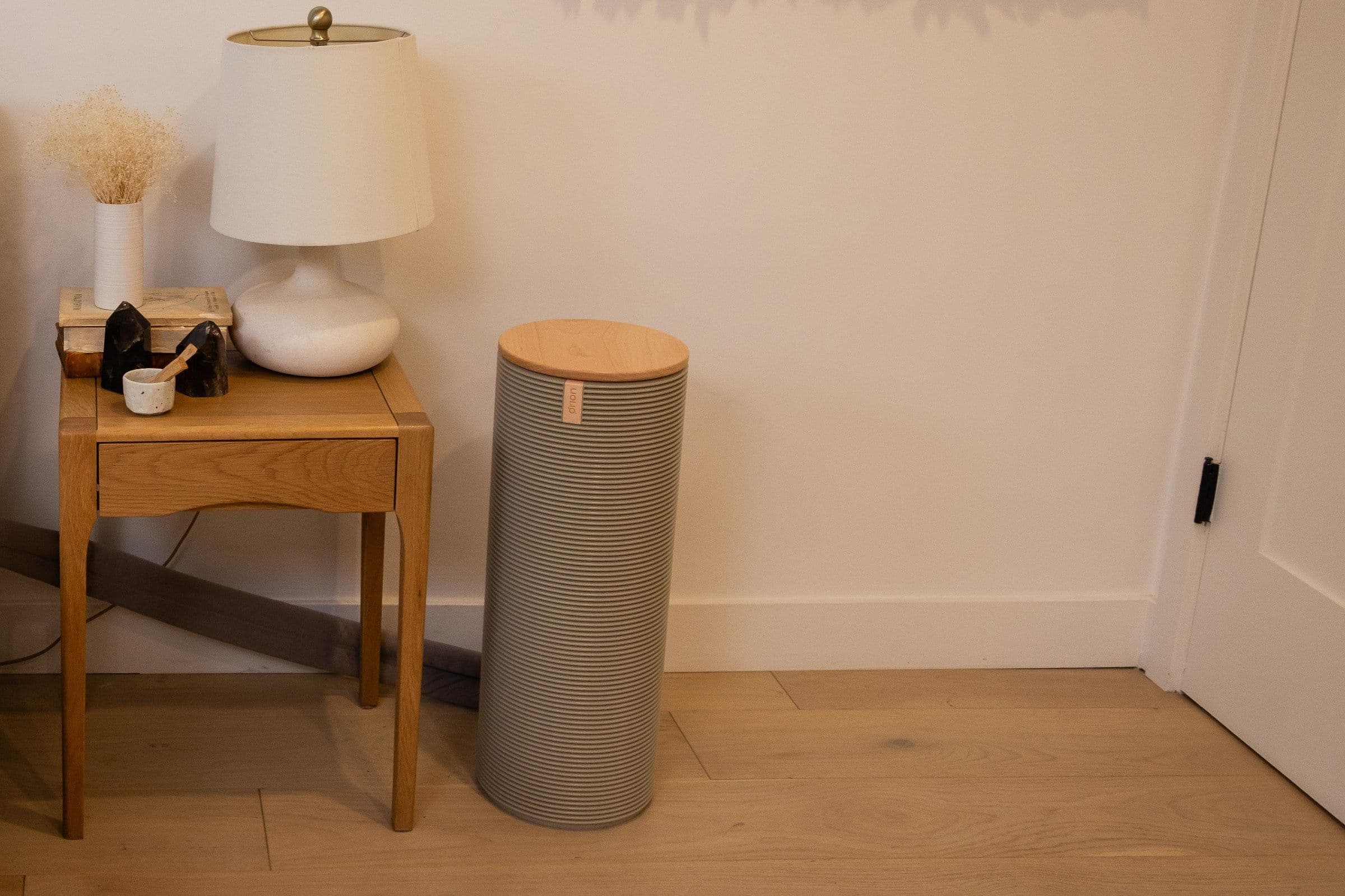
Owners who have used both generally describe Eight Sleep as the quieter system, though most owners of either say they stop noticing the sound within a few nights. Orion offers a quiet mode that reduces fan speed. The Orion Smart Sleep System won both the iF Design Award and the Red Dot Award in 2026, and its Control Tower is designed to sit beside a bed like a piece of furniture.
The Verdict
Scored across all six criteria, Orion comes out ahead on the factors that matter most over years of ownership: cooling range, freedom from a required subscription, warranty terms, personalization, and total cost. Eight Sleep leads on software, tracking, and noise.
For most people optimizing their sleep as a foundation for better work, Orion delivers the core benefit, consistent temperature control on each side of the bed, at a lower and more predictable cost. If detailed sleep data is the main reason you’re buying, Eight Sleep’s software may justify the ongoing membership.
FAQ
Does Orion require a subscription?
Not if you pay in full. Heating, cooling, schedules, and dual-zone control work without one. An optional plan at $250 a year adds sleep tracking and AI-based adjustments, and Orion’s financing plans include two years of it.
Does Eight Sleep require a subscription?
Yes. Autopilot is required for the first 12 months, and Eight Sleep’s warranty requires an active membership.
Can two people set different temperatures?
Yes. Both systems offer dual-zone control, so each side of the bed runs at its own temperature.
Does it work without Wi‑Fi?
Orion holds its last temperature if your connection drops, but you need Wi‑Fi to change settings. Eight Sleep offers a Backup Mode for basic control.
Will it fit my mattress?
Orion fits Queen, King, and California King mattresses. Eight Sleep also offers a Full size. Check each brand’s depth limits before ordering.
Is there a trial?
Both offer a 30-night trial.
Neither company paid for this article, and Desk Chair Daily earns no commission from the links in it. Prices and terms were checked in September 2026 and can change.