Desk Notes
Why Your Workspace Might Be Making You Less Productive
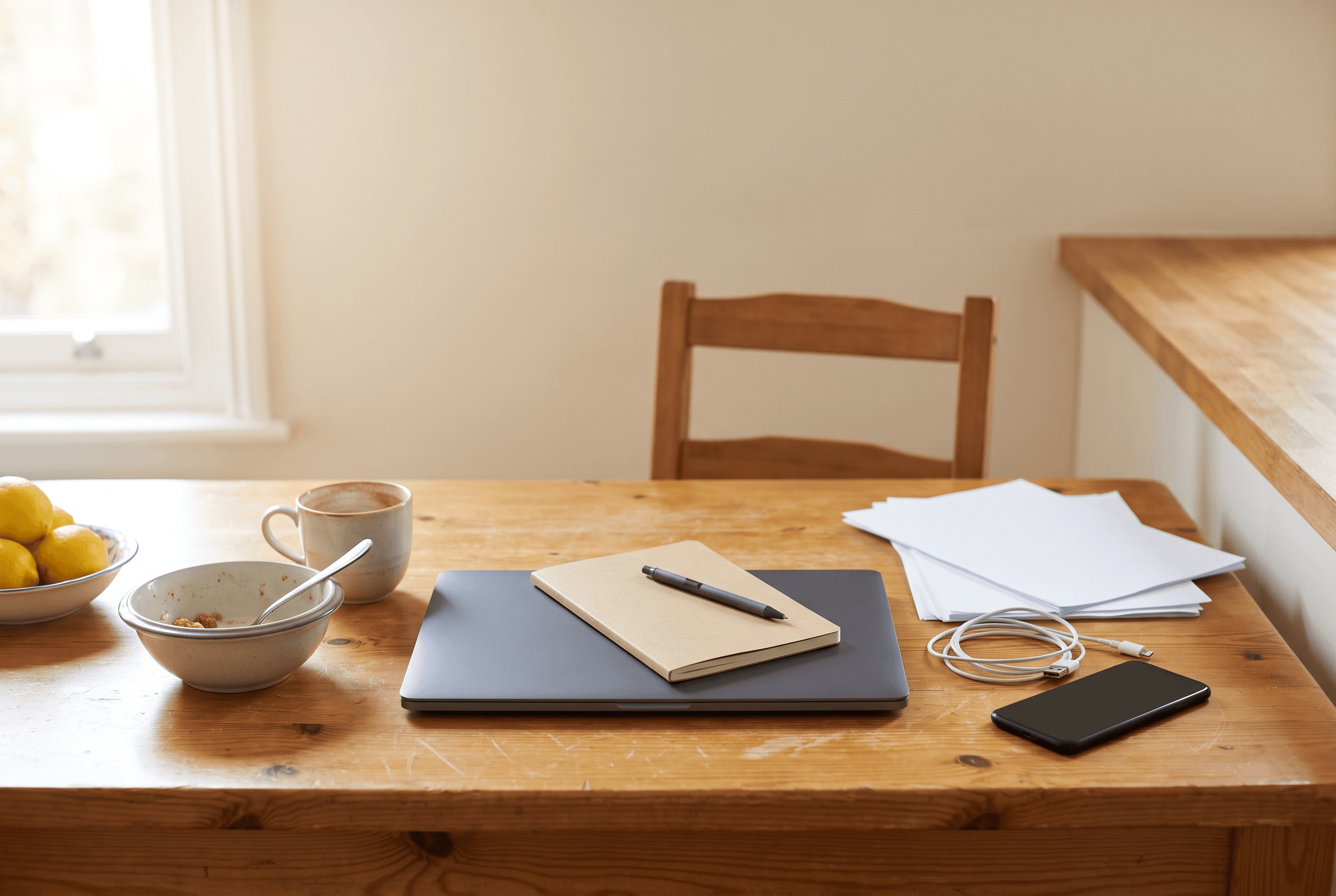
We tend to think of productivity as something that happens inside our heads.
Better planning. Better focus. Better time management.
But your physical workspace can quietly influence how easy it is to do all three.
That doesn't mean you need a minimalist desk, an expensive chair, or a perfectly coordinated home office.
It means the environment around you should make your work easier rather than constantly creating small distractions.
Here are some of the most common workspace problems worth fixing.
Your Desk Is Too Cluttered
A few items on your desk aren't a problem.
The problem starts when everything becomes permanent.
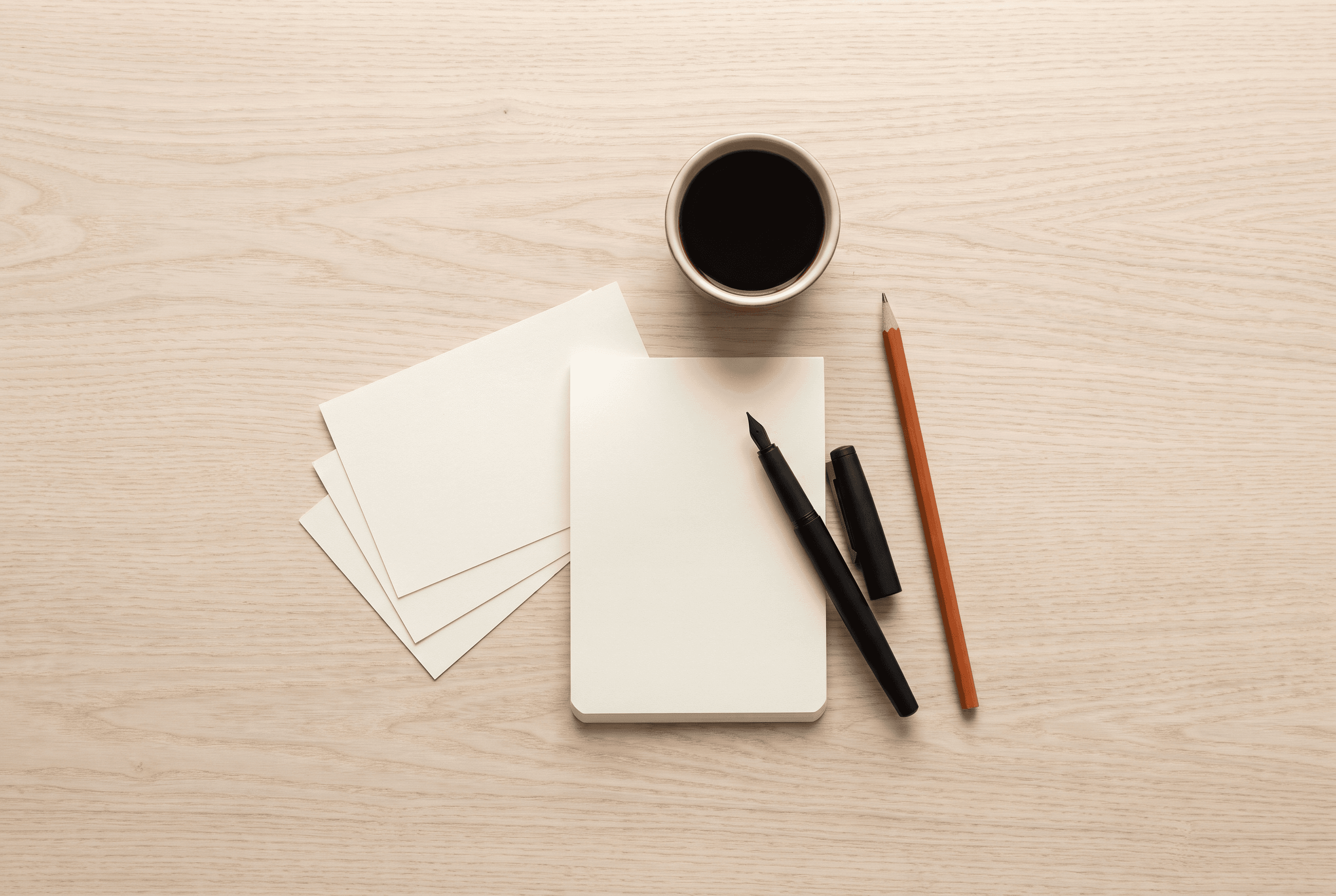
Old coffee cups. Random cables. Receipts. Packaging. Extra notebooks. Chargers you rarely use.
Every object doesn't need to disappear, but frequently used items should have an obvious place.
A five-minute reset at the end of the day can prevent clutter from becoming tomorrow's problem.
Your Monitor Isn’t Positioned Well
Your monitor shouldn't require you to constantly look down or twist your neck.
The ideal setup depends on your body, monitor size, and seating position, but the general goal is simple: your screen should be comfortable to look at for extended periods.
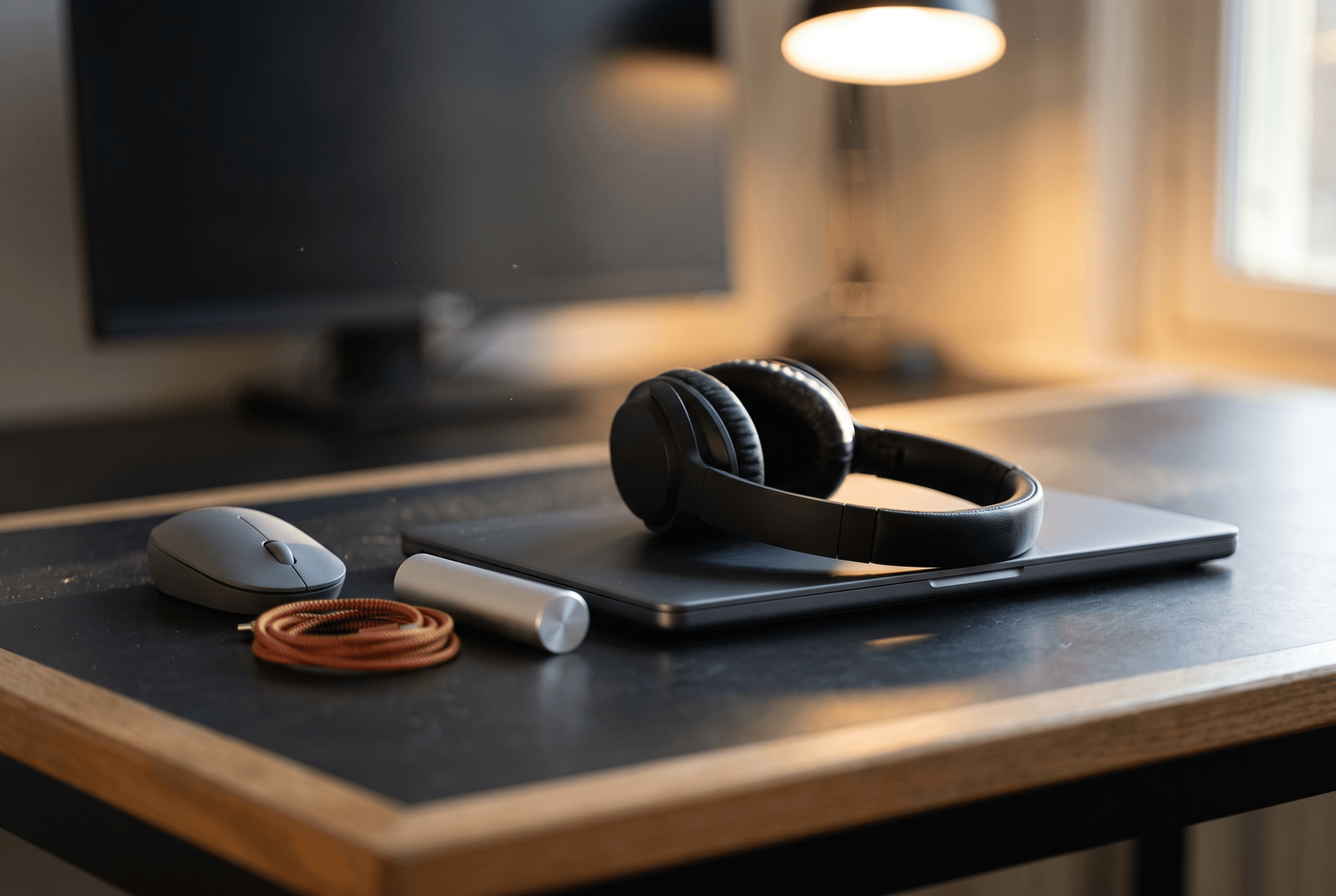
This is one reason monitor stands and adjustable monitor arms are so useful.
They make it easier to find a position that works for you.
Your Lighting Is Doing Too Much — Or Too Little
A dark workspace can feel tiring. So can an overly bright one.
If you're working primarily from a laptop or monitor, think about how the light in the room interacts with your screen.
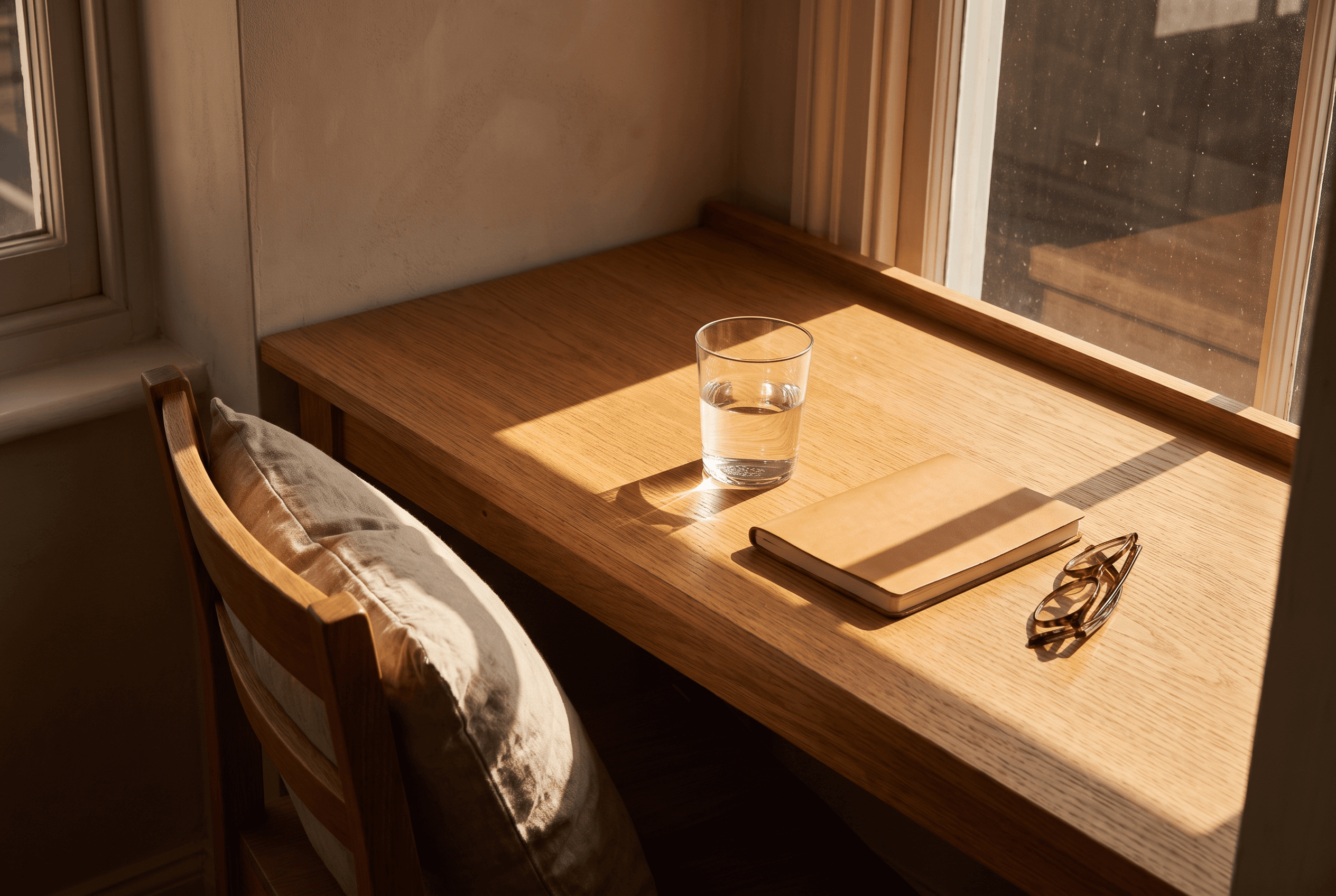
You may need a desk lamp, better overhead lighting, or simply a different position relative to a window.
Good lighting should support the work without becoming the work.
Your Phone Is Always Within Reach
The phone doesn't have to be on your desk to be distracting.
If every notification creates a reason to look away from your work, the device is effectively part of your workspace.
One simple option is creating a dedicated place for your phone that is close enough to access when needed but not sitting directly beside your keyboard.
You can also turn off non-essential notifications during focused work.
Everything Is Within Reach
This sounds like a good thing.
But having everything within reach can encourage you to constantly interact with everything.
If your desk contains snacks, your phone, personal devices, multiple notebooks, several gadgets and every office supply you own, you're surrounded by potential interruptions.
A better setup puts the things you use most often closest to you and everything else slightly farther away.
Your Workspace Has No Separation
For people working from home, one of the hardest parts of working can be knowing when work is finished.
If your desk is in the middle of your bedroom or living room, the visual presence of work can follow you long after the workday ends.
You don't necessarily need a separate office.
Even a consistent location, a closing routine, or putting work equipment away at the end of the day can create some separation.
Your Chair Is Treated Like an Afterthought
You don't need the most expensive office chair available.
But if you're spending hours at your desk, your chair deserves more attention than it usually gets.
The important question isn't whether a chair looks impressive.
It's whether it fits your body, lets you adjust your position, and feels comfortable enough for the way you actually work.
Your Workspace Is Too Perfect
There's another side to workspace optimization.
Sometimes the pursuit of the "perfect setup" becomes its own distraction.
You don't need to spend every weekend rearranging your desk.
You need a workspace that supports the work you're doing.
That's it.
Start With One Problem
The easiest way to improve your workspace is to stop thinking about it as a project.
Instead, ask one question:
What is currently making work slightly harder than it needs to be?
Maybe it's your monitor. Maybe it's clutter. Maybe it's lighting. Maybe your phone.
Fix that one thing. Then see how the workspace feels.
The Bottom Line
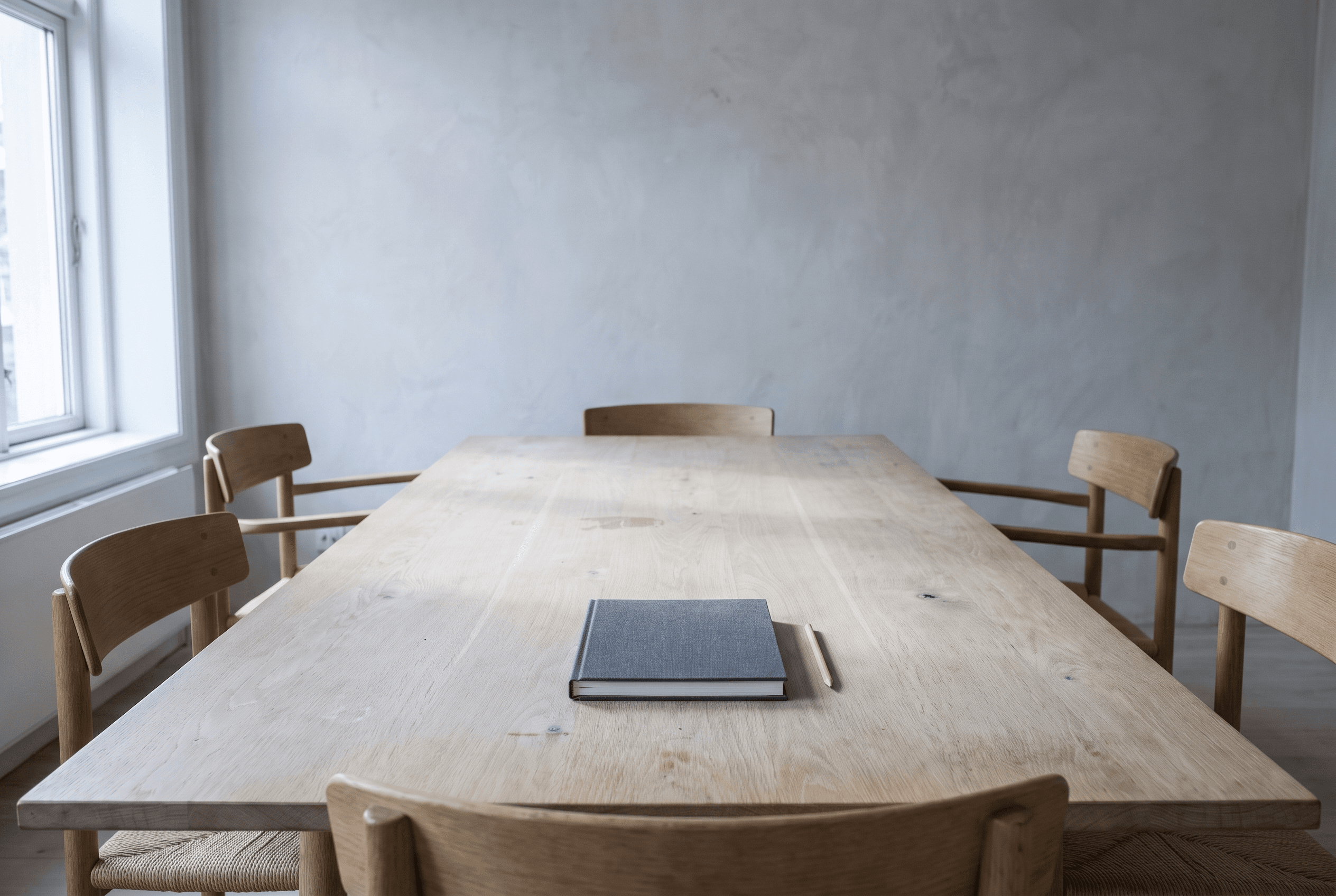
A productive workspace isn't necessarily beautiful, expensive, or minimalist.
It's predictable.
The tools you need are easy to find. Your screen is comfortable to use. Your lighting works. Distractions aren't constantly demanding your attention.
You don't need to redesign your entire office.
You just need to remove a few unnecessary obstacles.