How To
How to Make a Small Workspace Feel Bigger and Better
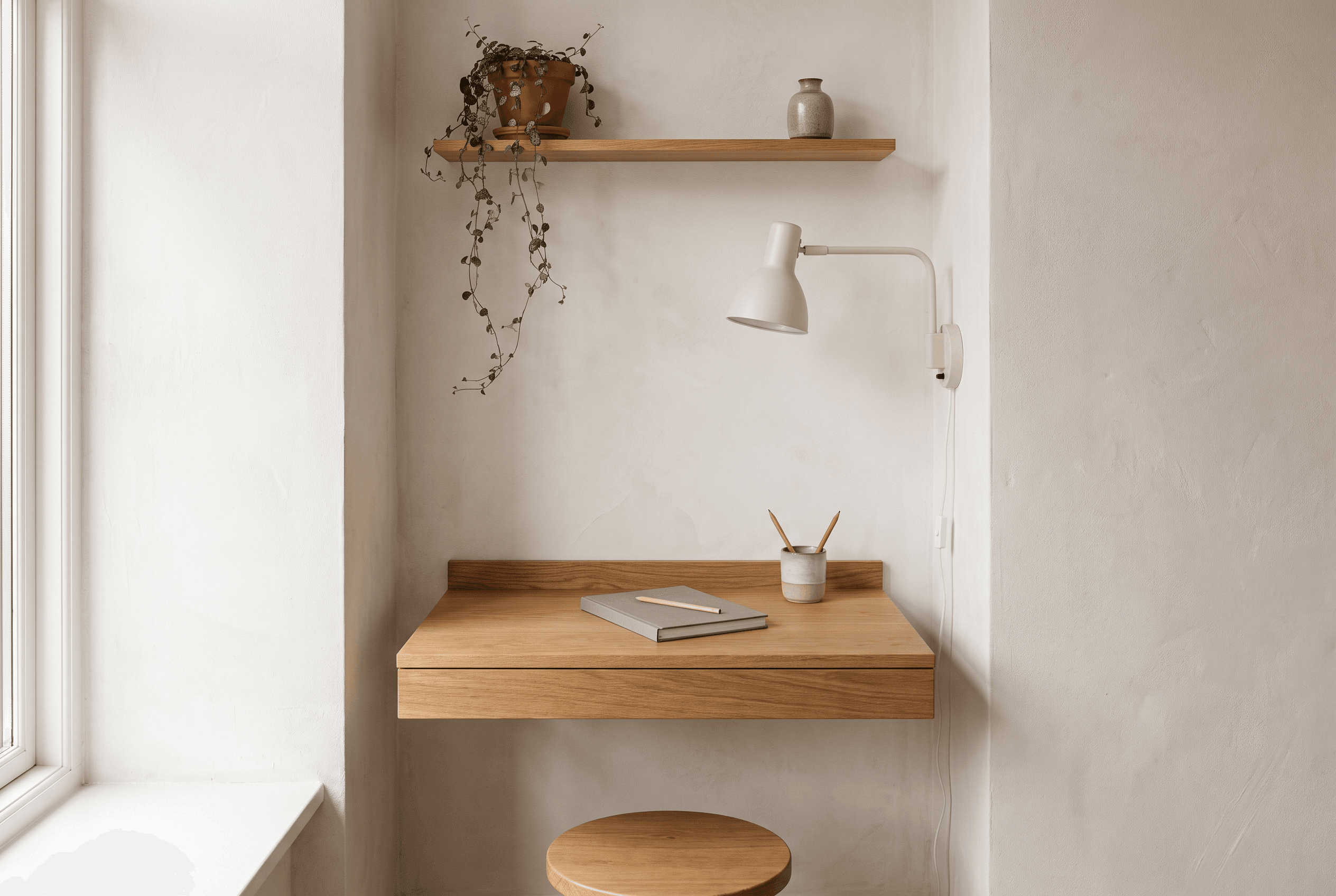
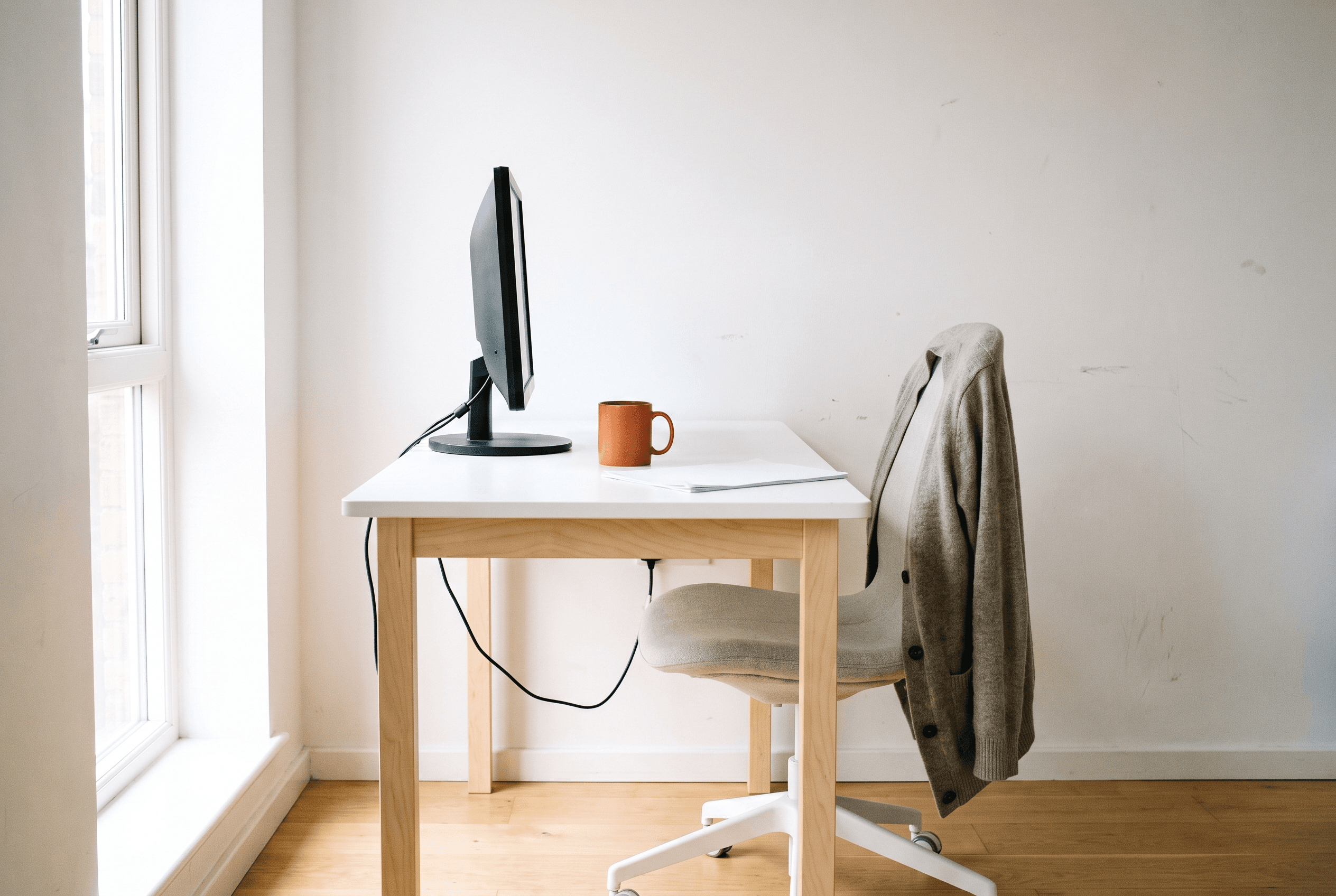
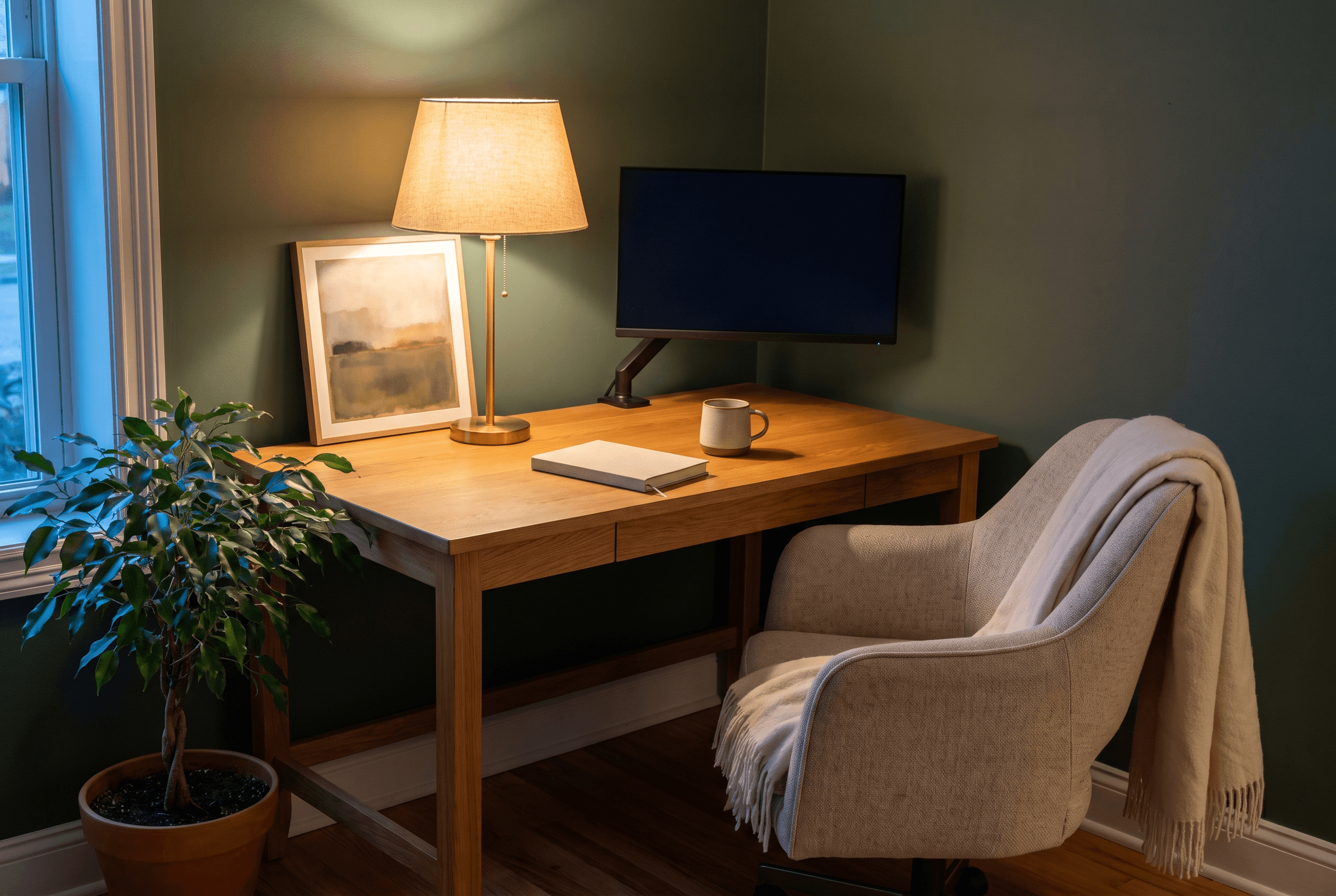
You don't need a huge home office to have a good workspace.
In fact, a small desk can work extremely well if you use the available space intentionally.
The trick is to think vertically, reduce visual clutter, and make sure everything on the desk earns its place.
Here are some ways to do it.
Get Things Off the Desk
The easiest way to make a small desk feel bigger is to stop using the surface for storage.
A monitor arm can lift your screen. A wall shelf can hold supplies. A drawer organizer can handle smaller items.
The more you move upward or underneath, the more usable desk space you create.
Use a Laptop Stand
If you work from a laptop, raising the screen can create an opportunity to use a separate keyboard.
It can also free up part of the desk that would otherwise be occupied by the laptop.
Go Wireless Where It Makes Sense
Not every device needs to be wireless.
But reducing unnecessary cables can make a small desk feel considerably cleaner.
A wireless keyboard and mouse can eliminate two cables. A charging station can consolidate others.
The goal isn't to eliminate every wire. It's to reduce the unnecessary ones.
Use One Good Light
A giant lamp isn't always necessary.
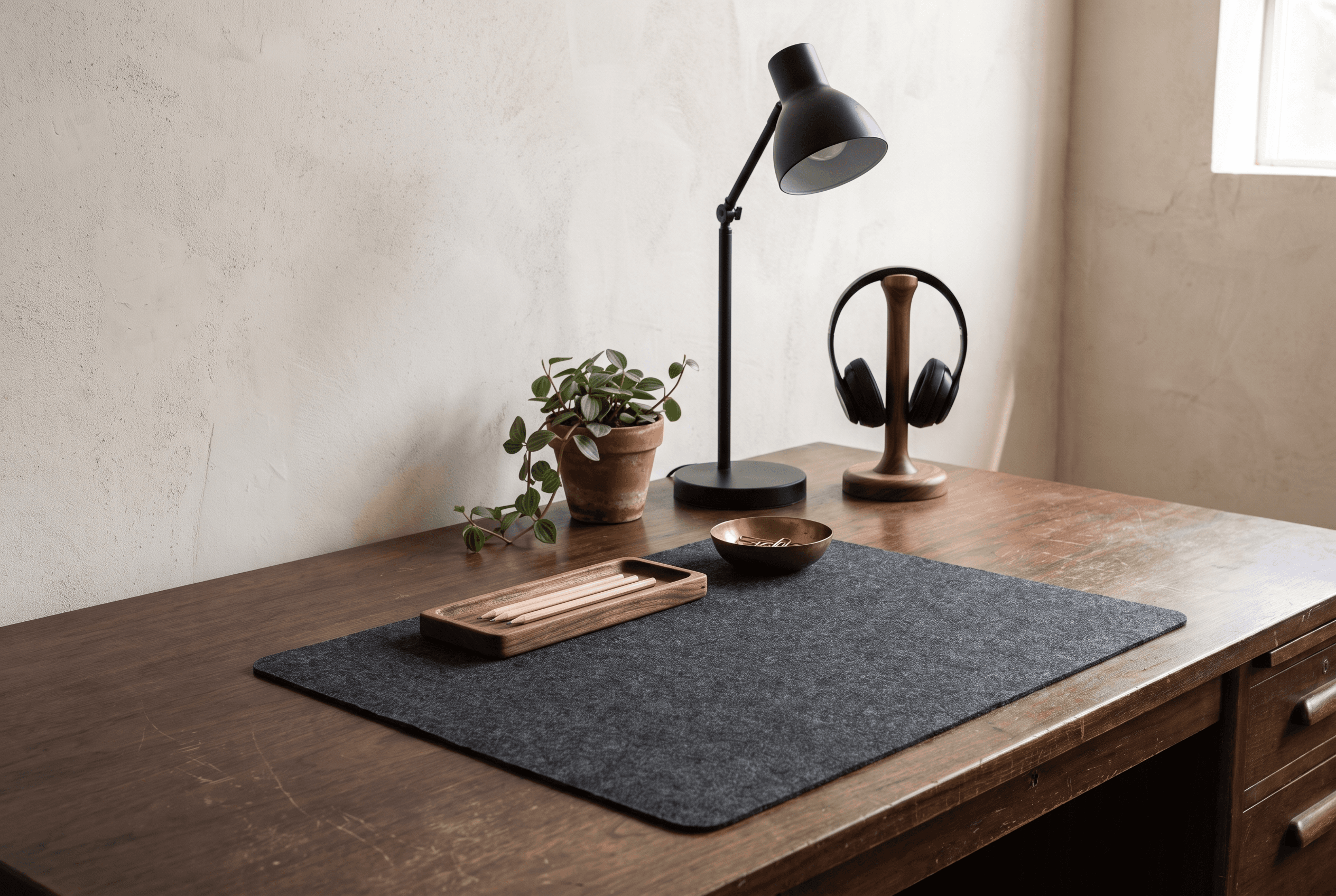
A compact monitor light or adjustable desk lamp can provide focused lighting without consuming much workspace.
Choose something that illuminates your work area without creating glare.
Keep Daily Tools Within Reach
Small spaces become frustrating when frequently used items are buried.
Keep the things you use constantly close. Move everything else farther away.
This creates a natural hierarchy for your workspace.
Use the Wall
Walls are some of the most underused workspace real estate.
A small shelf, pegboard, calendar, or organizer can move items away from the desk surface.
You don't need to cover the wall. One or two useful additions may be enough.
Keep the Color Palette Simple
You don't need to redesign your office around a particular aesthetic.
But fewer competing visual elements can make a small space feel calmer.
That might mean matching a few storage pieces or simply avoiding a desk covered in unrelated objects.
Choose Multi-Purpose Accessories
- A monitor stand that also stores your keyboard.
- A desk lamp with a charging port.
- A shelf that holds both books and office supplies.
Multi-purpose products can be especially valuable when space is limited.
Don’t Fill Empty Space Just Because It’s Empty
This is one of the biggest traps.
You clear your desk and suddenly it looks empty. So you buy something to fill it. Then something else. Eventually the space is crowded again.
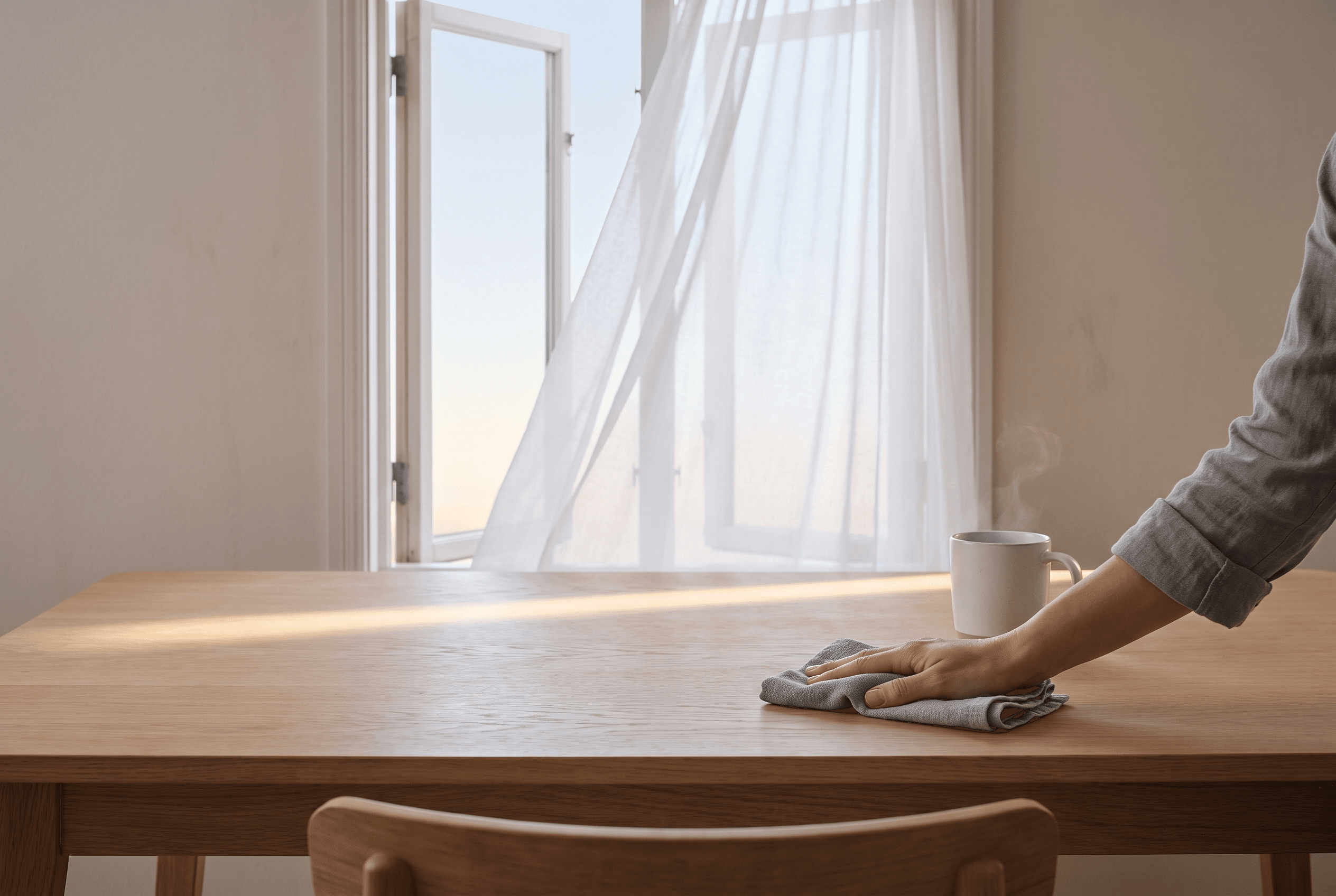
Empty space is useful. Let it stay empty.
Create a Closing Routine
Small spaces become cluttered quickly.
At the end of the workday, spend two or three minutes resetting the desk.
- Put the headphones away.
- Return the notebook.
- Move the coffee cup.
- Clear unnecessary items.
Tomorrow's version of you will appreciate it.
The Bottom Line
A small workspace doesn't need to feel cramped. It needs to be intentional.
Use vertical space. Reduce clutter. Keep only useful items nearby. And resist the urge to fill every available surface.
Sometimes the best workspace upgrade is simply giving yourself more room to think.