Review
Your Best Work Happens the Night Before. Here’s the One Sleep Variable Most People Ignore.
We optimize our desks, our calendars and our focus systems. The eight hours that decide how sharp we are get far less attention.
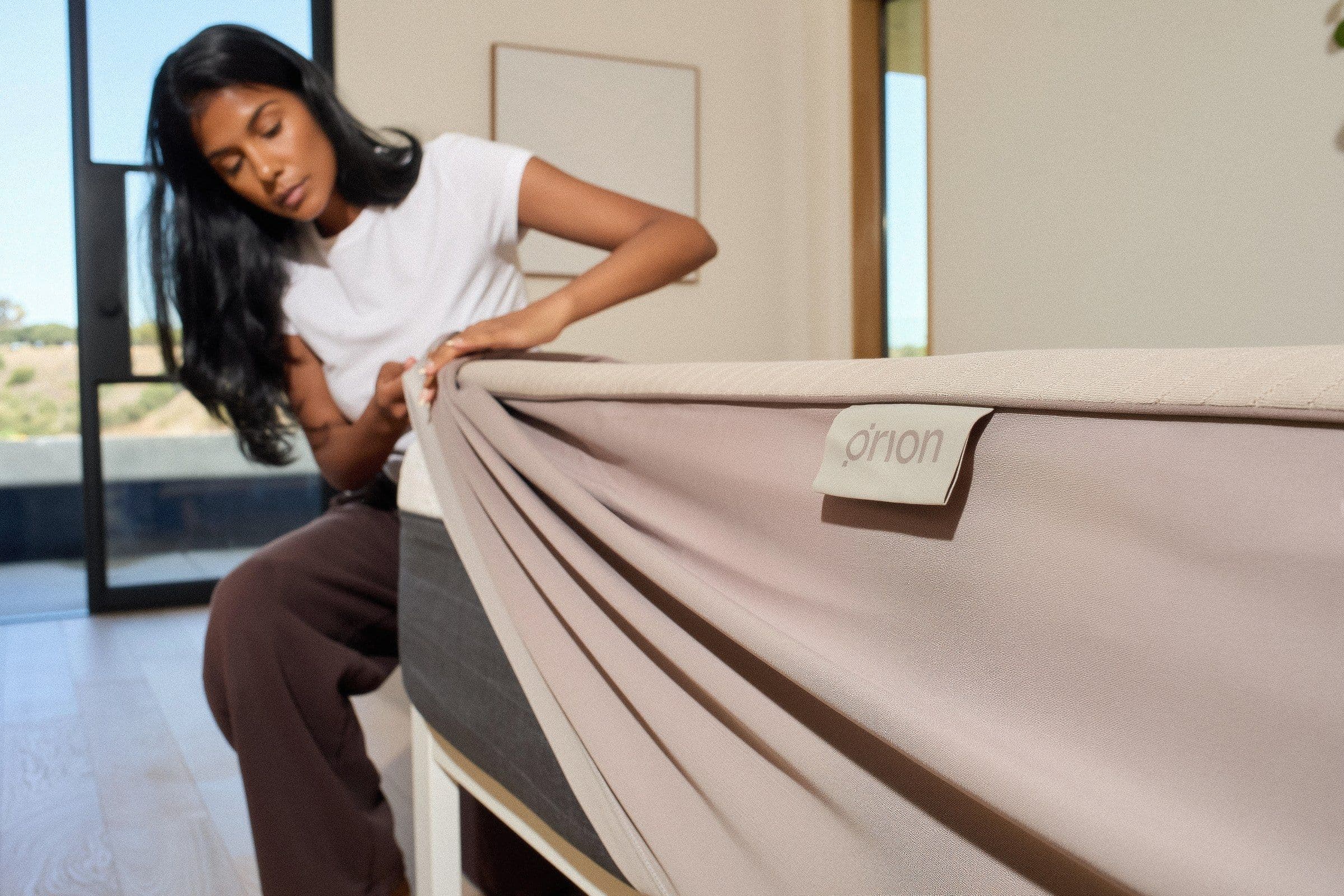
Most of the advice on this site is about the hours between nine and five: the right chair, the right monitor height and a calendar that protects time for real work. All of it helps. But none of it can make up for a bad night.
If you’ve ever sat down at your desk after six broken hours and read the same email three times, you already know this. Sleep isn’t the opposite of productive time. It’s the raw material for it.
What a bad night actually costs you at work

Research has consistently linked short or fragmented sleep to slower reaction times, weaker working memory and poorer judgment the next day. It also hits the things that are hardest to measure and easiest to notice: patience in a tough meeting, the ability to hold a complex problem in your head, and the willingness to start the hard task instead of answering one more message.
Across a whole workforce, those small losses add up. A 2016 RAND study estimated that insufficient sleep costs the US economy up to $411 billion a year and just over 1.2 million lost working days.
Not all sleep is equal, either. Deep sleep supports physical recovery and helps lock in what you learned the day before. REM sleep plays a central role in emotional regulation and creative problem solving. You can spend eight hours in bed and still get too little of both if your night keeps getting interrupted.
The variable hiding in plain sight
The usual sleep advice is familiar by now: a consistent bedtime, less caffeine after lunch, no phone in bed. That advice is good. It also leaves out one of the most powerful levers there is, which is temperature.
To fall asleep and stay in deep sleep, your body needs to lower its core temperature. When the surface you’re lying on traps heat, it works against that process. The result is the night many professionals know well: you fall asleep fine, wake up around 3 a.m. too warm, kick off the covers, wake up cold an hour later, and start the day feeling like you barely slept.
Turning down the thermostat helps less than you’d think. You aren’t sleeping in the air. You’re sleeping on a mattress that absorbs your body heat for hours and gives it back to you all night.
Unlike a deadline, a newborn or a stressful quarter, bed temperature is something you can actually control.
A note for women in their 40s and 50s

For many women, this problem gets sharply worse in midlife. During menopause, the body’s comfortable temperature window narrows, so a small rise in body heat can trigger a hot flash or night sweat. Those wake-ups often arrive just as careers reach their most demanding stage.
The cost shows up at work. A 2023 Mayo Clinic study of women aged 45 to 60 estimated that menopause symptoms account for about $1.8 billion a year in lost work time in the US, and that figure doesn’t include reduced hours, job changes or early retirement.
If you lead a team, sit on a leadership track, or simply rely on a clear head at 9 a.m., protecting your sleep through this stage is a professional decision as much as a personal one.
How a temperature-controlled bed works
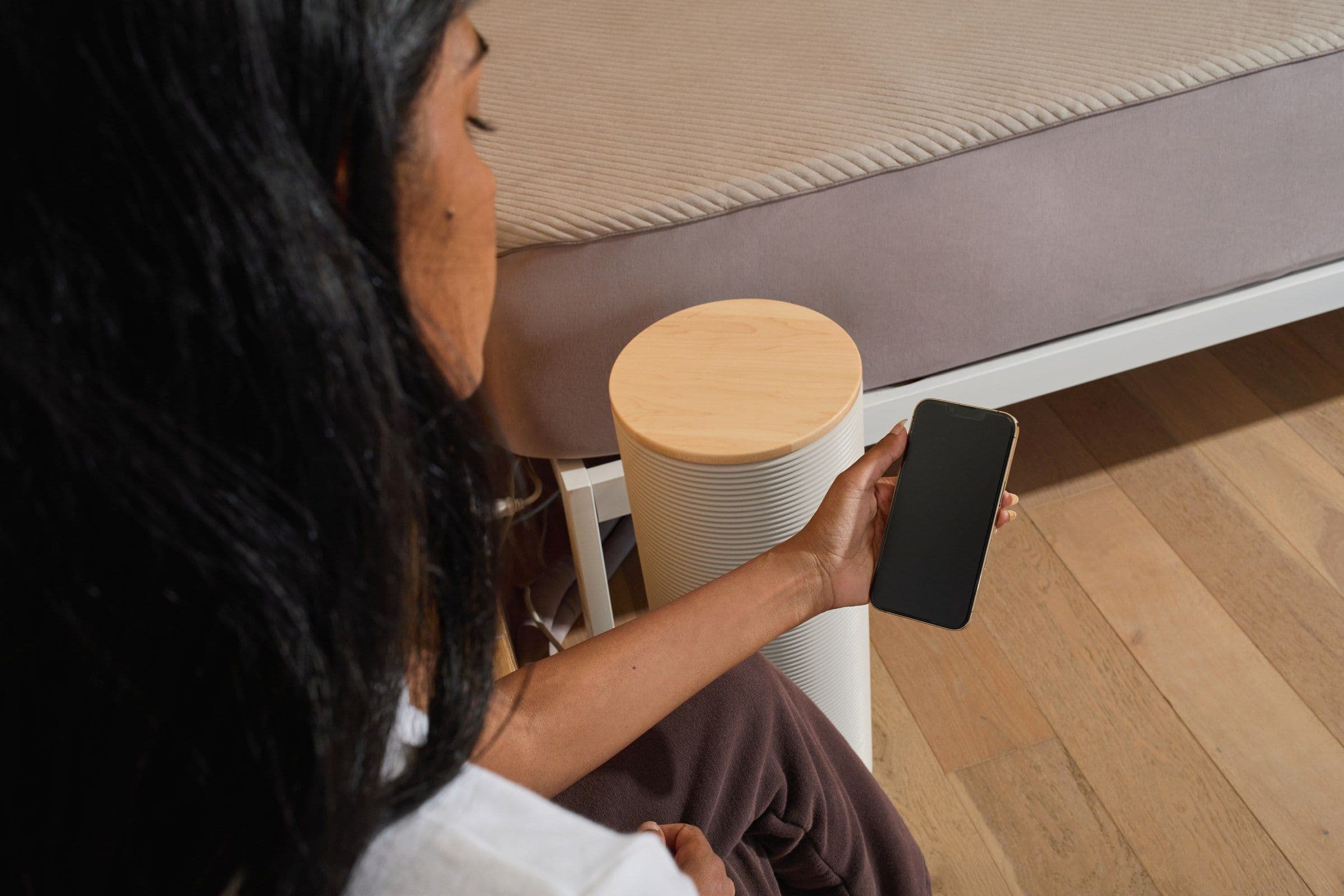
Orion offers a sleep system that lets you set a separate temperature for each side of your bed.
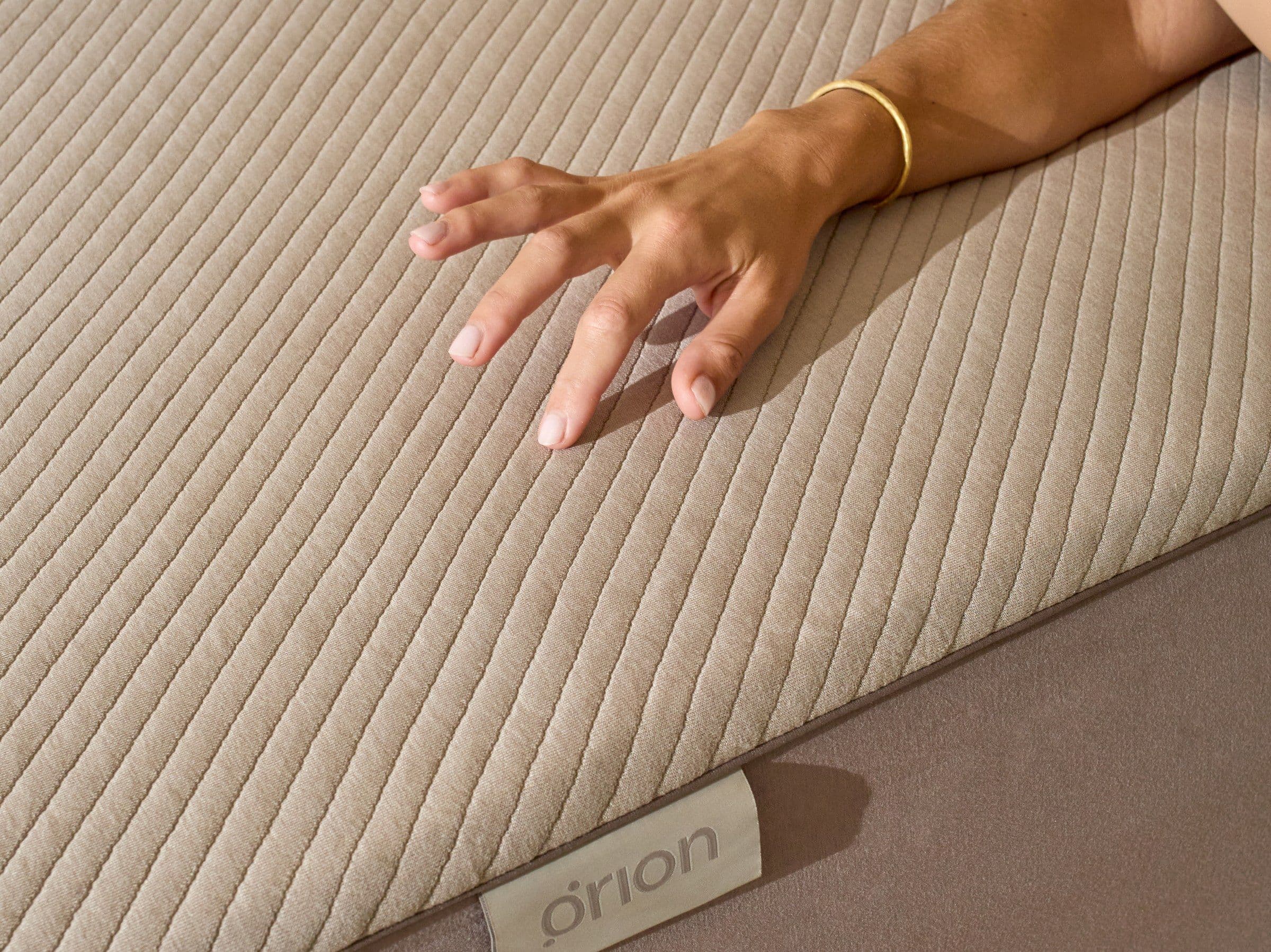
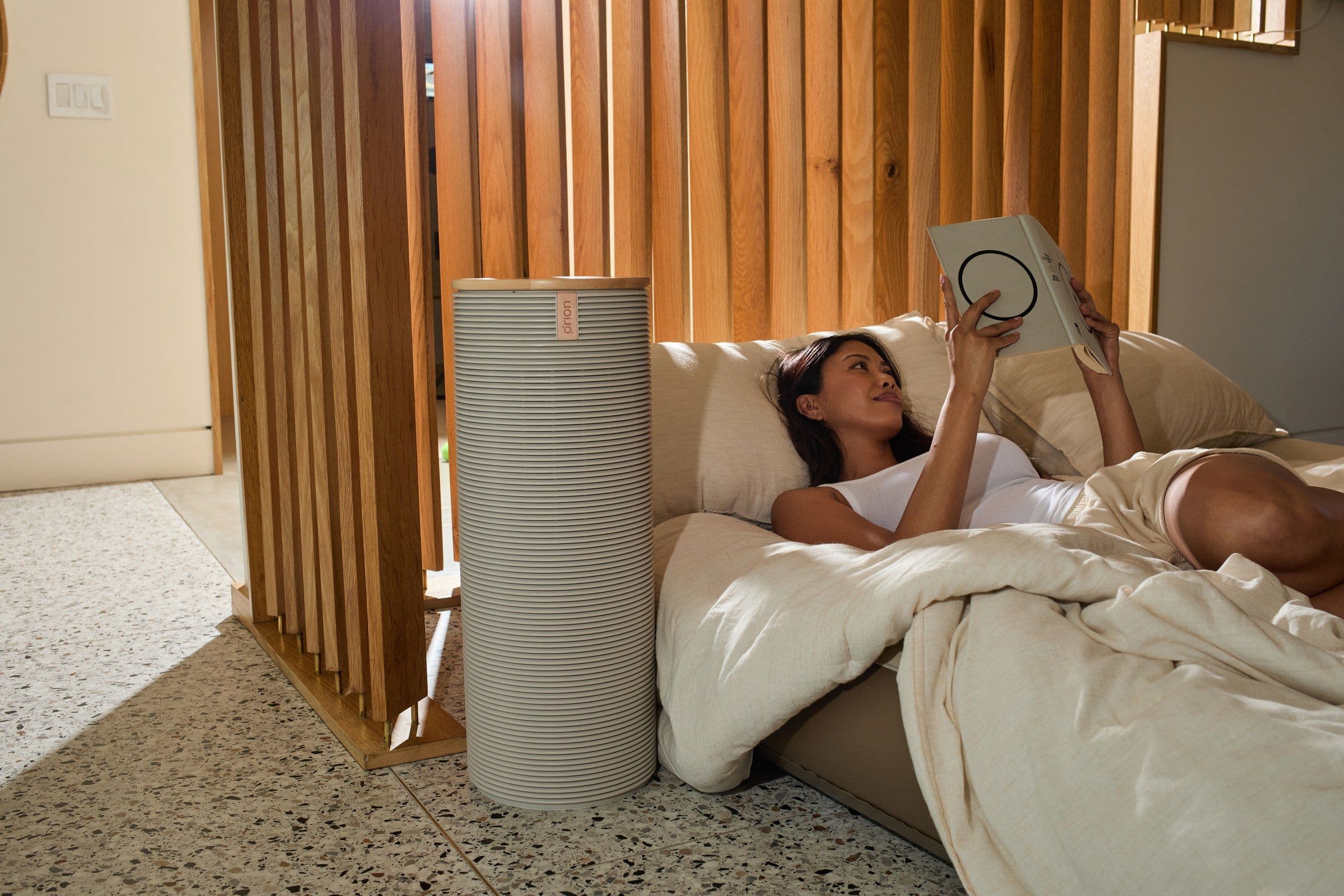
It has two parts. A thin cover fits over the mattress you already own, sits under your fitted sheet, and is about as thick as a sheet, so the bed feels the same. A slim tower beside the bed cools or heats water and circulates it through the cover. Each side can be set anywhere from 50°F to 113°F, and each side is controlled separately, so a partner who runs warm can keep their side warm while yours stays cool.
It’s also genuinely good-looking, which matters to anyone who cares how their spaces are designed. The tower reads as furniture rather than equipment, the bed looks exactly as it did before, and the room ends up feeling more like a well-designed hotel suite than a gadget showroom. Orion’s design has won both an iF Design Award and a Red Dot Design Award.
You set it up in the Orion app and then mostly leave it alone:
It’s set up before it arrives. Add Orion’s $25 one-night Sleep Disruption Test, and your Sleep System arrives preprogrammed with your results, so your schedule is ready from the first night. You can change the temperatures and times anytime in the Orion app.
It wakes you with warmth. A thermal alarm warms your side gradually before your wake time, so you come up out of sleep instead of being jolted awake by a sound.
It handles sudden heat. For hot flashes or night sweats, Hot Flash Mode sends a timed burst of extra cooling to your side so you can cool off and get back to sleep.
It tracks your sleep without a wearable. Sensors in the cover can track sleep stages, heart rate, HRV and breathing. Detailed tracking is part of an optional plan.
Independent reviewers have noticed too. Tom’s Guide gave the system its Editor’s Choice award after a month of testing.
Is it worth it?
The queen lists at $2,395, and Orion is taking $350 off (up to $400 off for other sizes) for a limited time. Financing is available from $62 a month with $199 down at 0% APR. There’s no required subscription when you pay in full. An optional $250-a-year plan adds detailed sleep tracking and recommendations, and it’s included for two years with financing. It’s HSA and FSA eligible, which many people overlook.
Think about it the way you’d think about a good desk chair. You use it every single day, it quietly shapes how well the rest of the day goes, and the well-designed ones are a pleasure to live with. Spread over a few years of nights, the cost per night is smaller than most people’s daily coffee.
You also don’t have to decide on faith. There’s a 30-night trial that starts the day it arrives, free shipping and a two-year warranty. If it isn’t right for you, you message Orion your order number and they send prepaid return labels.
The takeaway

The most productive thing you do this week might happen with your eyes closed. Get the basics right first: a steady bedtime, a dark room, a phone outside arm’s reach. Then look at the variable most people never touch. If heat is breaking up your nights, fixing it may do more for your work than any new app or desk accessory. Orion is taking up to $400 off for a limited time, so it’s worth a look now.
Orion is a temperature-controlled sleep system, not a medical device. Talk to your doctor about persistent sleep problems or menopause symptoms.